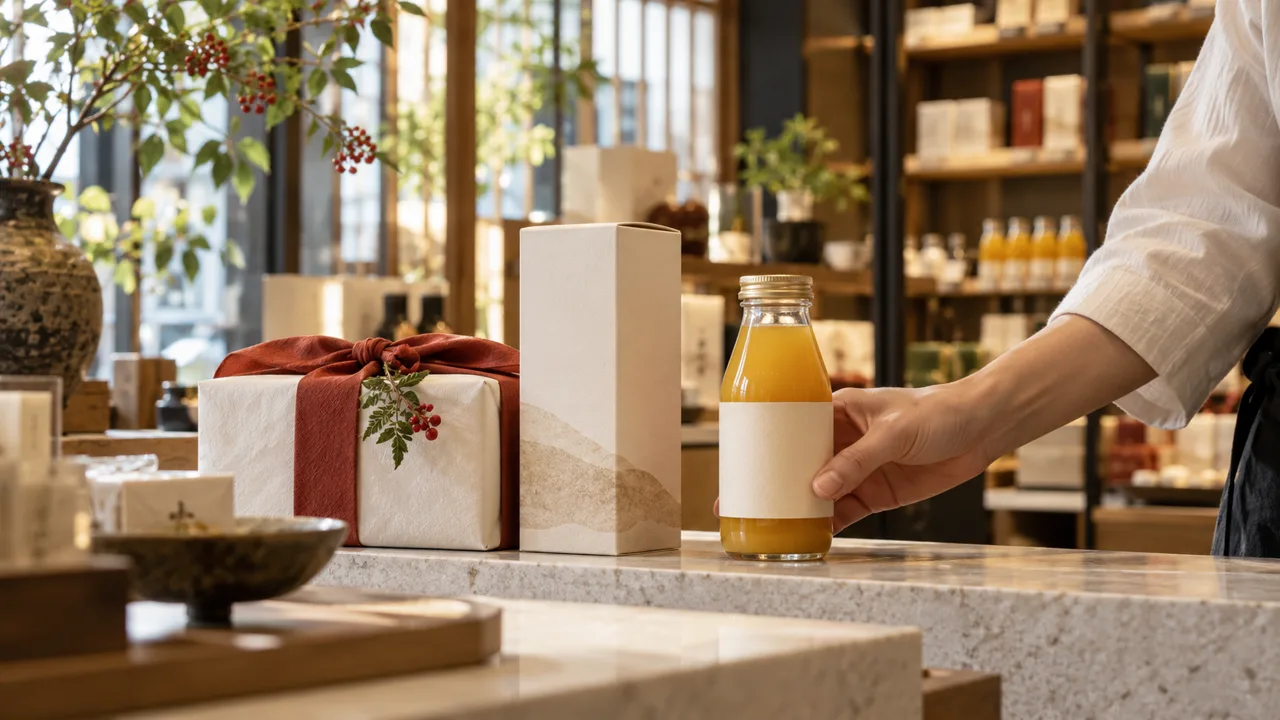
Images are AI-generated illustrations, not actual client projects.
You want Japanese customers to buy a product that already has value in another market. The first challenge is deciding how that value will be understood here.
Translation, influencer posts and retail conversations are often commissioned separately. When they describe different customers or offers, attention can grow without a clear path to purchase.
This guide explains a practical starting brief for product positioning, channel selection and evaluation. It keeps marketing decisions connected to the operation that must fulfil the sale.
Rakubo publishes cases involving food products, influencer promotion and Japanese retail distribution. They can inform questions to ask, while the scope and feasibility of your own launch must be assessed separately.
Give customers in Japan a reason to choose your product
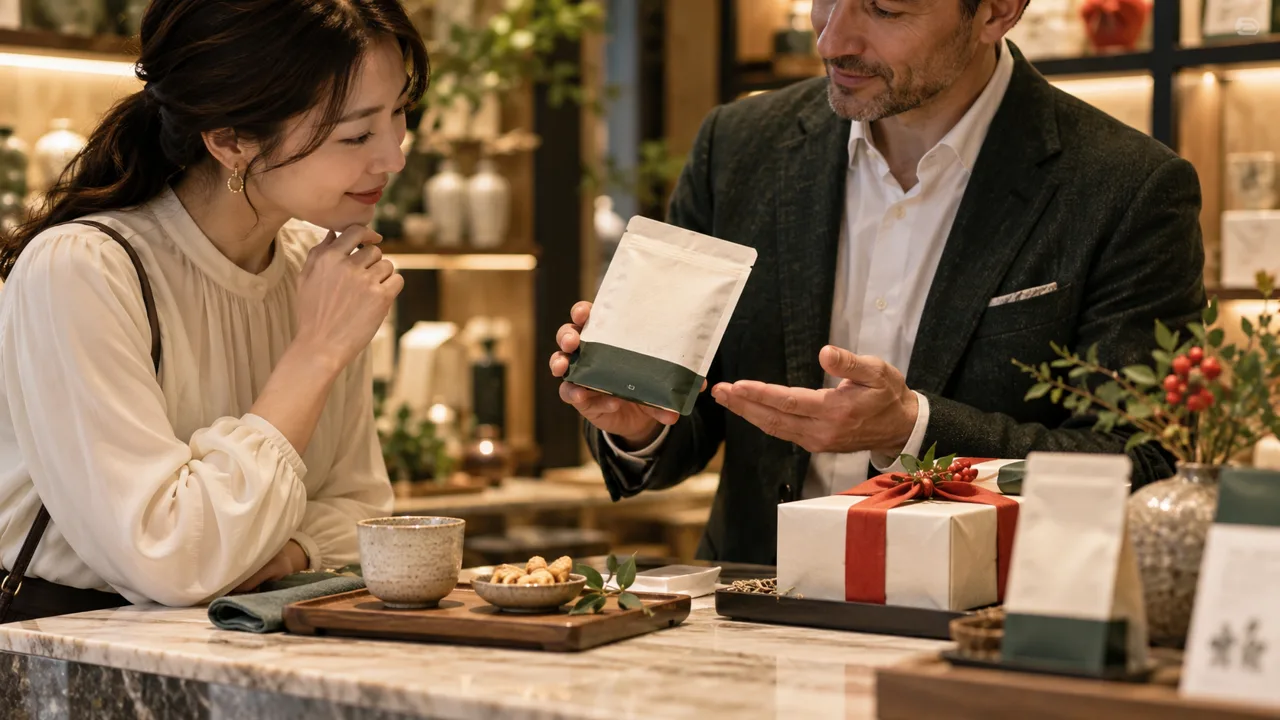
Describe one customer and one situation first. Is the product an everyday purchase, a gift, a premium treat or something bought during travel? A literal translation of the home-market claim may not explain the reason to choose it in that situation.
Prepare the product facts before writing promotion: materials or ingredients, use, packaging, price, available stock, lead time and approved claims. Then distinguish the benefit you want to communicate from facts that need specialist confirmation.
Rakubo’s premium tomato-juice case reports that 100 bottles sold out on release day. The published approach includes producer-focused social content, campaign planning and coordination with orders and delivery. It is an individual Japanese product-marketing result, not evidence that an imported product will sell out.
For your own product, a useful first output is a short offer sheet: customer, occasion, buying reason, approved evidence, price and purchase destination. Everyone creating pages, social content and influencer briefs should work from the same version.
Choose a channel your operation can support
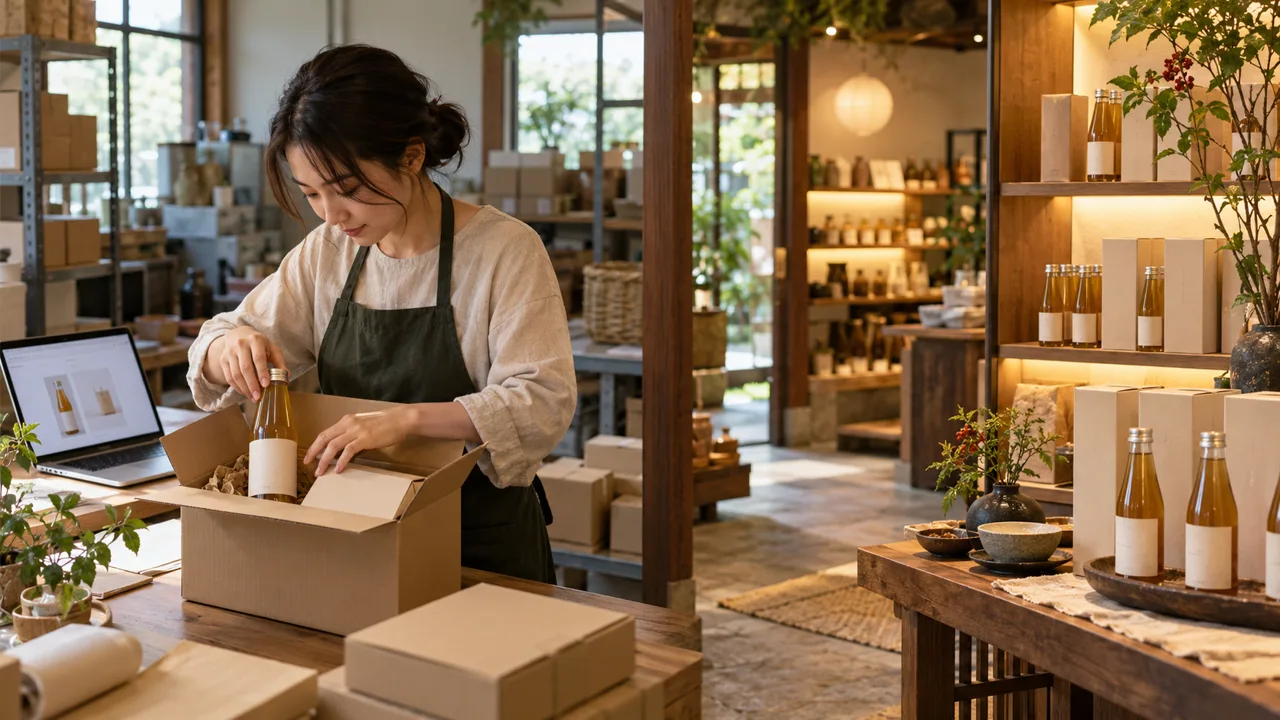
Direct online sales and retail distribution create different work. An online order needs a usable sales page, payment, delivery information and customer support. A retailer discussion needs the commercial information that the counterparty requests. Define who owns each task before increasing promotion.
Compare channels against the stock, packaging and service your team can actually provide. Decide the geography, capacity and replenishment assumptions. If an import or product-specific requirement is unresolved, resolve it with the appropriate specialist before treating the item as launch-ready.
For a food product, include import conditions, labelling and the responsible importer in the specialist review before promotion. Confirm the actual requirements with the responsible authority or qualified provider. JETRO’s business setup guide is a starting point for separating professional workstreams from marketing tasks.
Rakubo’s published retail-distribution example describes influencer product PR and all-store distribution within a premium supermarket network of at least 100 stores. The public page does not identify the retailer, period or contribution of each activity. It is not a promise of access to that network or a retail contract for a new product.
Measure purchases and operational reality
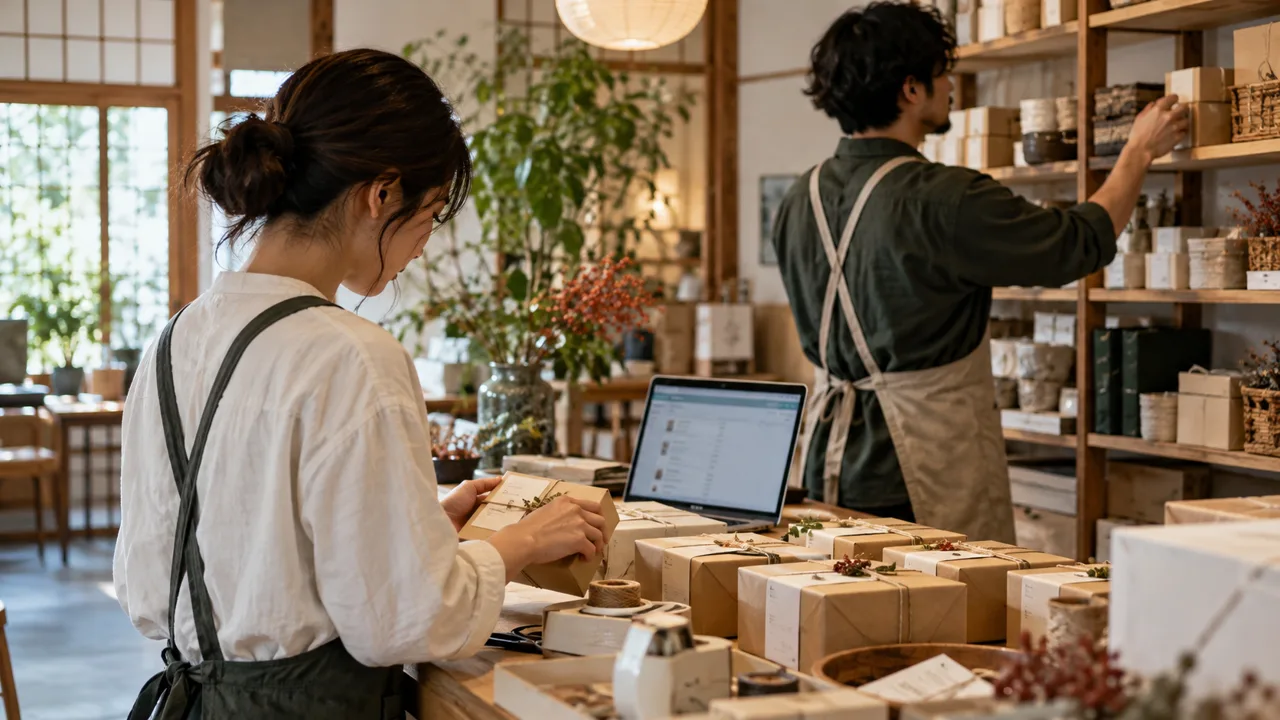
Decide what a useful result means before launching. Product-page visits, orders, units sold, revenue, cancellations and repeat purchases are different measures. Followers and video views can help explain discovery, but do not establish sales or profit.
Keep the sales period, channel and stock conditions alongside the figures. If a launch sells out a limited quantity, record the quantity. If store distribution expands, separate placement from sell-through. Neither metric alone explains the total commercial result.
An influencer brief should cover the approved product information, audience, format, purchase destination, disclosure requirements and content-use permissions. Agree who checks the content and who handles questions after publication. Confirm the actual legal and platform requirements with the relevant responsible person.
Start with a scope your operation can support, then review where customers hesitate and where fulfilment becomes difficult. Bring product facts, sales-channel plans, stock assumptions, materials and open questions to the first discussion. Agree the marketing work and specialist responsibilities before committing to a broader launch.
A useful brief for the next conversation
Use this checklist without registering or downloading anything. Bring what you have; mark unresolved points as open questions.
- Your current stage, website and customer-facing channels
- The restaurant, product or service you want to focus on
- The customer and area you want to reach
- The action to improve: booking, visit, enquiry or purchase
- Your timing, available materials and operational limits
- What is undecided and who can approve the next step
Make the next step specific
Discuss how your product’s story, Japanese purchase journey and sales-channel plan can work together.
Sources and published cases
- プレミアムジュースの発売・SNS運用事例 — Premium tomato-juice launch and social media campaign
- ヤットク:商品の販路拡大 — Product PR and premium-supermarket distribution
- ヘアオイル:インフルエンサー100名起用 — Haircare campaign involving 100 influencers
- JETRO — Setting Up Business — JETRO guide to setting up a business in Japan
The case figures are individual historical results reported by Rakubo or its clients. They are not Japan-entry outcomes or a guarantee of equivalent performance.